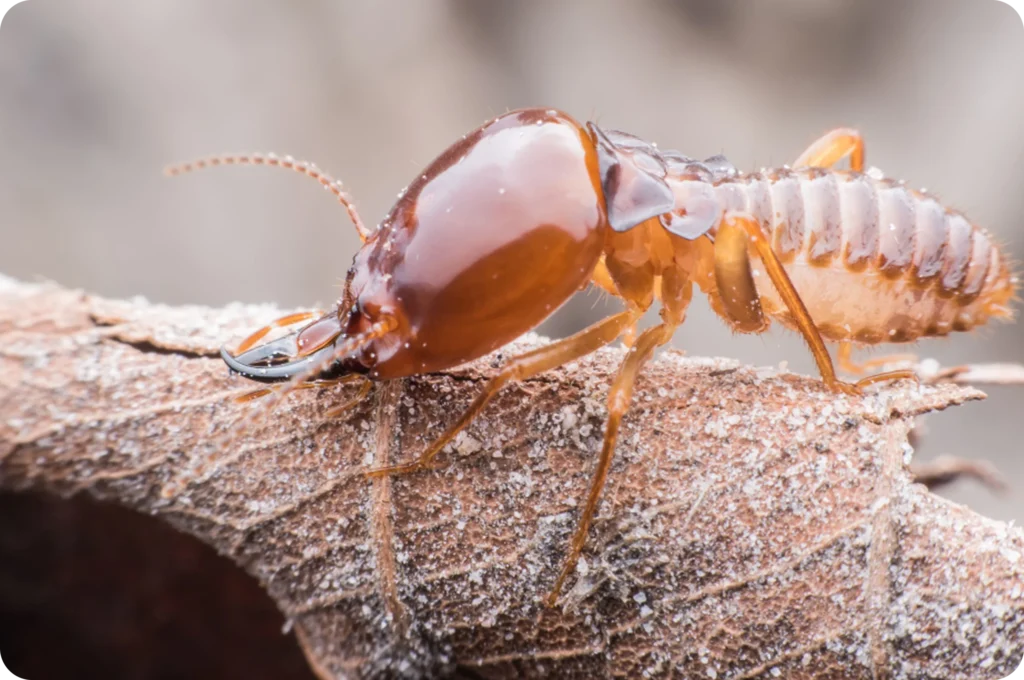
Combat termite infestations, hidden colonies, structural damage, and costly re-treatment with Resylica® Technology an advanced solution engineered for superior efficacy, precision, lasting protection, and reliable performance.
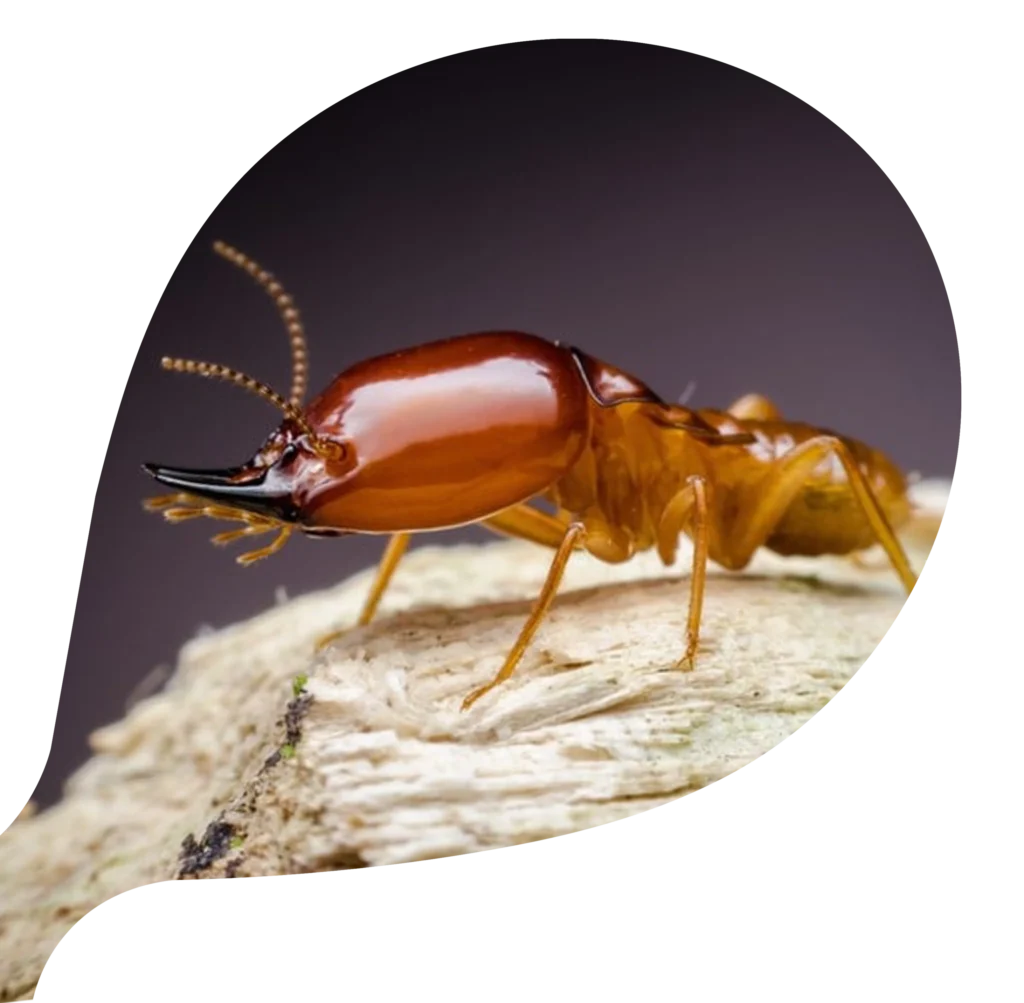
Termites are among the most destructive structural pests in the world, causing billions of dollars in damage annually to homes, commercial buildings, warehouses, and other structures. More than 3,000 termite species have been identified worldwide, with approximately 180 species considered economically significant pests. The most common structural pests include subterranean termites, drywood termites, and dampwood termites.
Termites feed primarily on cellulose, the main component of wood and other plant-based materials. Unlike many other pests, termites often remain hidden within wood, soil, wall voids, and structural components, allowing infestations to grow unnoticed for months or even years before visible damage becomes apparent.
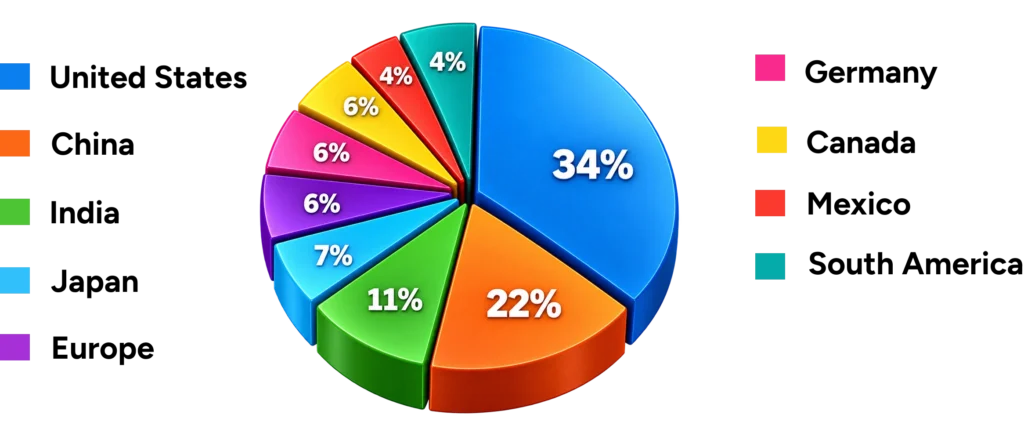
The global market is projected to grow from USD 2,898.2 million in 2021 to USD 7,035.02 million by 2033, registering a CAGR of 7.67%. Asia Pacific shows the fastest growth, increasing from USD 1,049.15 million to USD 2,687.38 million with the highest CAGR of 8.32%. North America and Europe demonstrate steady expansion, reaching USD 1,786.89 million (7.20% CAGR) and USD 1,428.11 million (7.47% CAGR) by 2033, respectively, reflecting sustained demand across mature markets.
Termites continuously tunnel through timber and cellulose containing materials, weakening structural components from the inside out. Their feeding activity can damage wooden beams, flooring, doors, window frames, furniture, paper products, insulation, and even electrical installations.
Because termites live and feed in concealed galleries, significant structural damage may occur long before an infestation is detected. If left untreated, termite activity can compromise the integrity of buildings, resulting in costly repairs and extensive property damage.
Effective termite management is particularly challenging because termite colonies are hidden underground, inside wood, or within wall voids. Worker termites travel through enclosed mud tubes and galleries that protect them from environmental conditions and many conventional surface treatments.
Traditional formulations may not adequately penetrate termite galleries, cracks, or concealed harbourages, limiting contact with the active colony. Successful termite control therefore requires a formulation capable of reaching termites within these hidden environments.
This is where Resylica® Technology provides a significant advantage.
Resylica® Technology controls termites through a novel physical mode of action designed to act on the insect’s respiratory system. When the formulation comes into contact with a termite, it interacts with the insect’s exoskeleton and glides across the external surface toward the spiracles, the microscopic respiratory openings located along the sides of the body.
Upon reaching the spiracles, the formulation enters the termite’s respiratory system and disrupts normal respiratory function. As the tracheal system becomes affected, normal airflow and oxygen exchange are disrupted, resulting in respiratory distress, loss of mobility, and ultimately mortality.
This differentiated physical mode of action provides rapid action following direct contact with susceptible termites. Unlike conventional insecticides that primarily rely on specific biochemical target sites, Resylica® Technology offers an alternative approach to termite control through a physical mechanism.
Resylica® can be incorporated into treatment strategies targeting areas where termites commonly travel, shelter, and establish galleries, including mud tubes, wood cracks, structural voids, concealed spaces, and other potential harbourages. This supports direct-contact control of exposed and concealed termite populations as part of a comprehensive termite-management program.
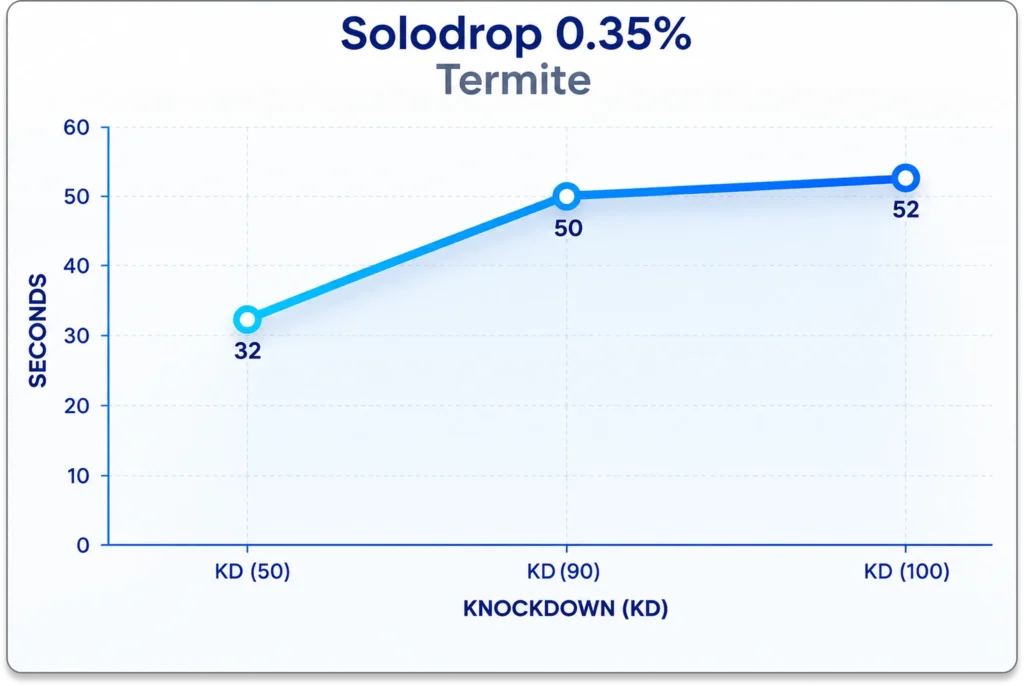
Resylica® Technology acts through a physical mechanism, rapidly affecting termites upon direct contact without relying solely on conventional chemical toxicity.
The formulation quickly enters the termite's spiracles and spreads through the respiratory system, disrupting normal breathing and leading to rapid control.
Its exceptional surface properties enables the formulation to penetrate wood pores, termite tunnels, mud tubes, structural joints, wall voids, and cracks where termites remain concealed.
Rather than treating only exposed termites, solodrop reaches concealed termite populations within their galleries and harbourages, helping to control infestations at their source.
The formulation forms a thin, continuous film that maximizes surface coverage and improves contact throughout the treated area.
Introduction
Please complete the form below to access and download the Resylica Technical Dossier. The dossier provides detailed information on the technology, mode of action, performance, applications, safety profile, and environmental characteristics.
Fields marked with an asterisk () are required.*
Your information will be handled confidentially and in accordance with our Privacy Policy.