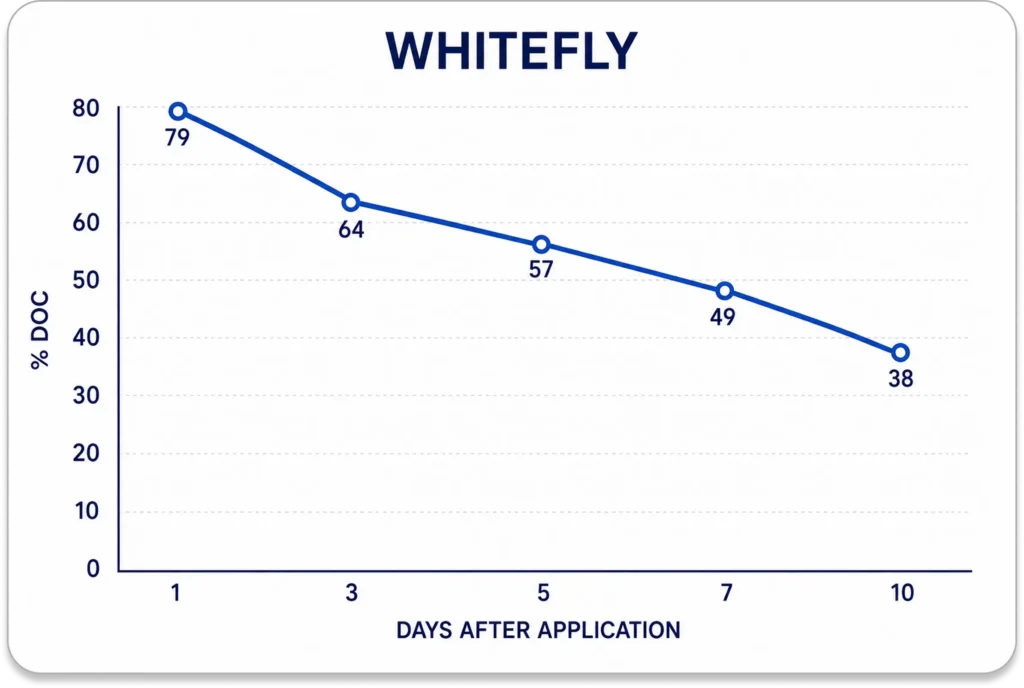
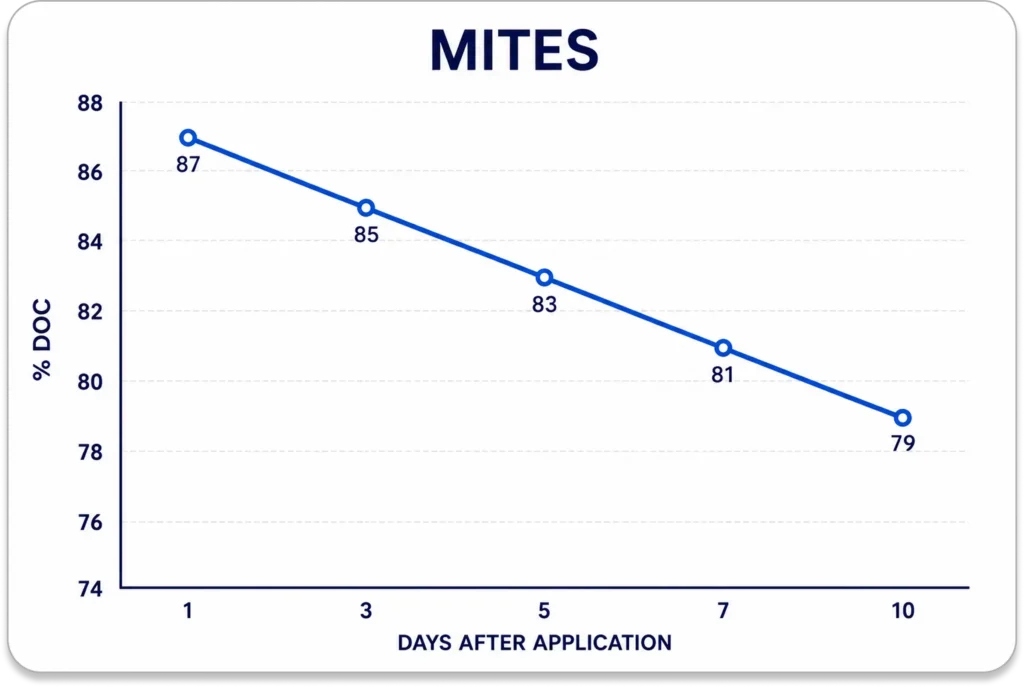
Agricultural insect pests are among the leading causes of crop losses worldwide, reducing both yield and quality while increasing production costs. They attack crops at every stage of growth, from seedlings to harvest, by feeding on leaves, stems, shoots, flowers, fruits, and roots. In addition to direct feeding damage, many pests also act as vectors of plant diseases, further reducing crop productivity and market value. Agricultural pests are broadly classified into two major groups based on their feeding habits:
Chewing Pests
Chewing insects possess strong mandibles that chew and consume plant tissues, causing visible damage to leaves, stems, flowers, fruits, and growing points. Common chewing pests include caterpillars, armyworms, cutworms, bollworms, beetles, grasshoppers, and weevils. Severe infestations can result in extensive defoliation, reduced photosynthesis, stunted plant growth, and significant yield losses.
Sucking Pests
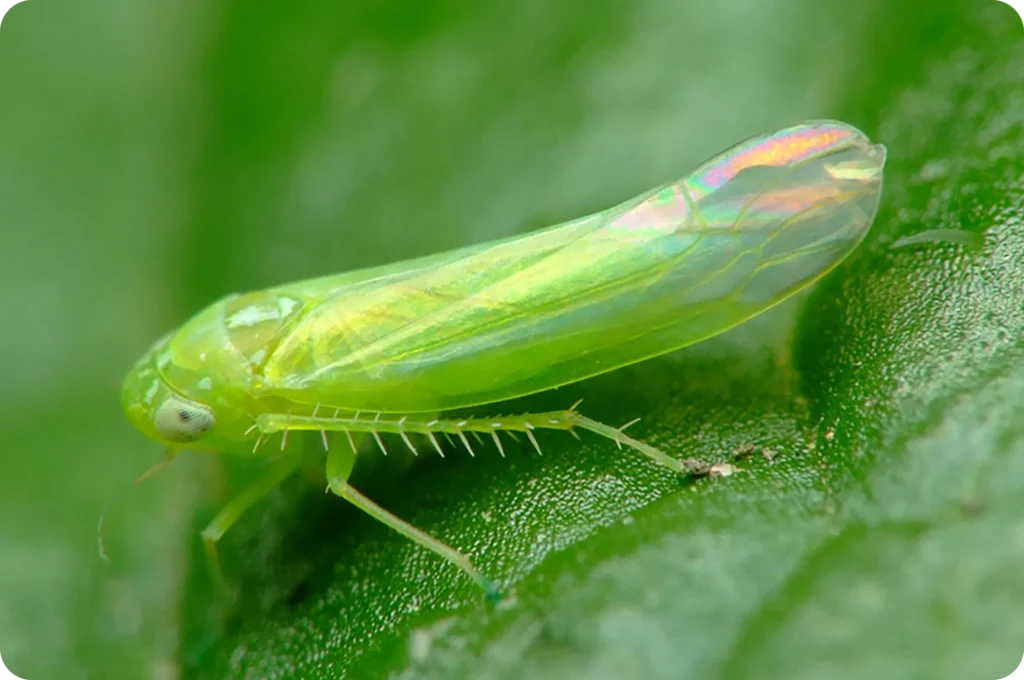
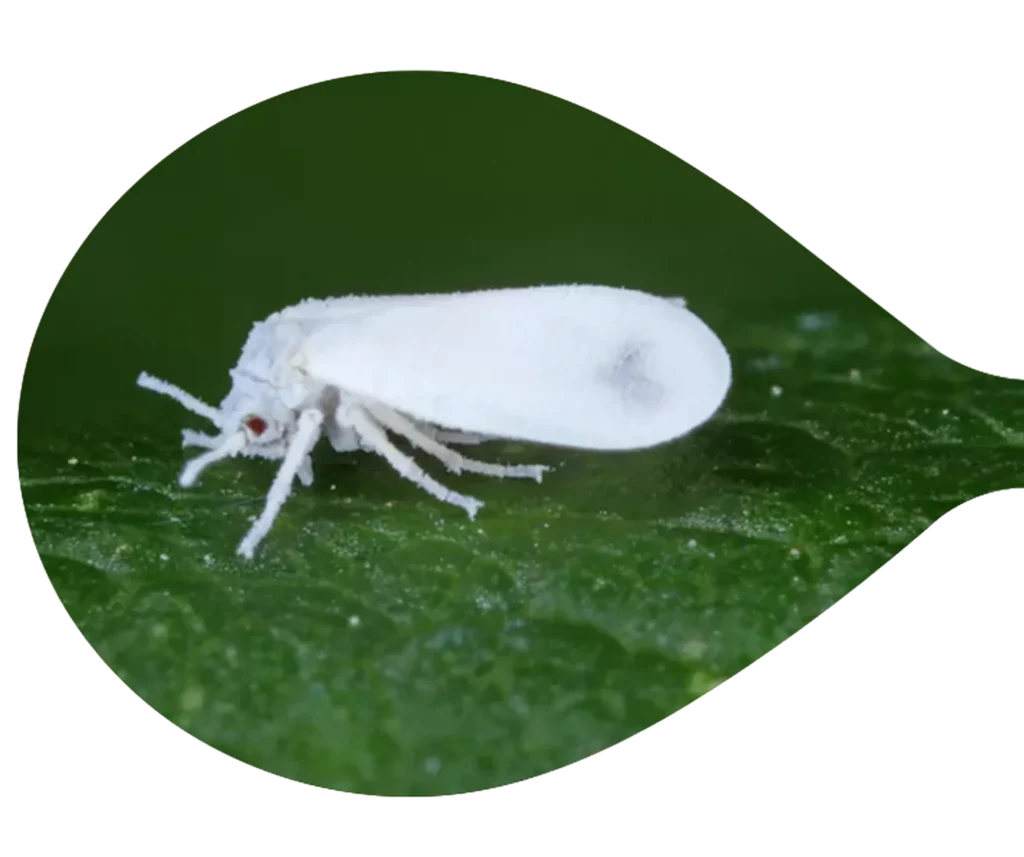
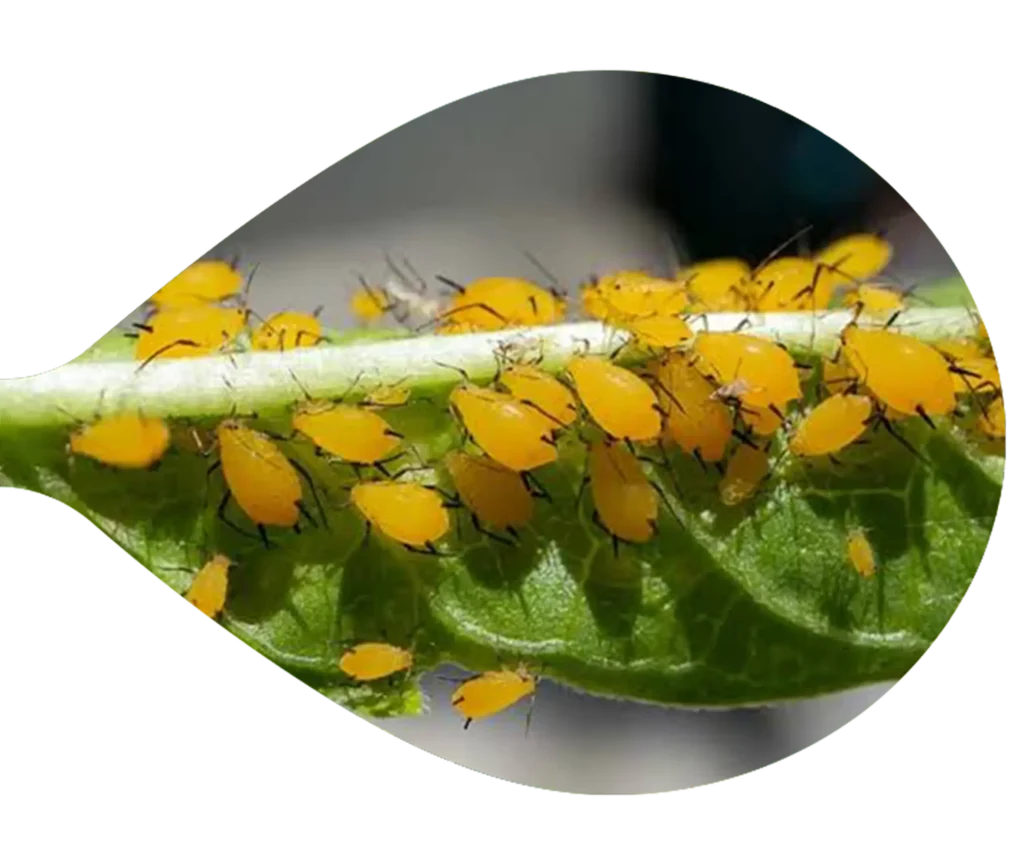
Sucking pests possess specialized piercing-sucking mouthparts that penetrate plant tissues and extract sap from leaves, stems, buds, flowers, and fruits. This group includes aphids, thrips, spider mites, whiteflies, leafhoppers, jassids, mealybugs, psyllids, and scale insects. Their feeding causes leaf curling, chlorosis, wilting, stunted growth, reduced vigour, premature leaf drop, and poor crop quality. Many sucking pests are also important vectors of viral, bacterial, and phytoplasma diseases.
Among these, aphids, thrips, spider mites, whiteflies, and leafhoppers are considered some of the most destructive sucking pests affecting vegetables, fruits, cereals, cotton, ornamentals, plantation crops, and greenhouse production worldwide.
Challenges with Conventional Insecticides
Effective control of agricultural pests is becoming increasingly challenging due to several factors.
Many insect populations have developed varying levels of resistance to conventional insecticides after years of repeated use. In addition, numerous pests remain concealed on the undersides of leaves, inside folded foliage, flower buds, dense crop canopies, and protected plant structures, limiting the effectiveness of conventional spray droplets.
Conventional formulations often exhibit higher surface tension, causing droplets to remain where they land instead of spreading uniformly over plant surfaces or reaching insects hidden in difficult-to-access locations. These limitations highlight the need for advanced formulation technology capable of maximizing coverage and improving contact with target pests.
Mode of Action
Resylica® Technology controls agricultural pests through a differentiated physical mode of action. When a droplet of the formulation comes into contact with an insect or mite, it interacts with the pest’s external surface and exhibits a gliding-off action, enabling the formulation to move across the body toward the spiracles—the microscopic respiratory openings located along the body of insects and mites.
As the formulation reaches the spiracles, it enters the respiratory system and interacts with the tracheal system. This physical action disrupts normal respiration and interferes with efficient oxygen exchange. As respiratory function becomes impaired, the pest experiences respiratory distress, loss of mobility, physiological disruption, and ultimately mortality.
The gliding-off action supports movement of the formulation across the pest’s external surface toward the respiratory openings, providing a differentiated contact-based mechanism of control. Unlike conventional insecticides that primarily rely on specific biochemical target sites, Resylica® Technology acts through a physical mode of action, offering an alternative approach to agricultural pest management.
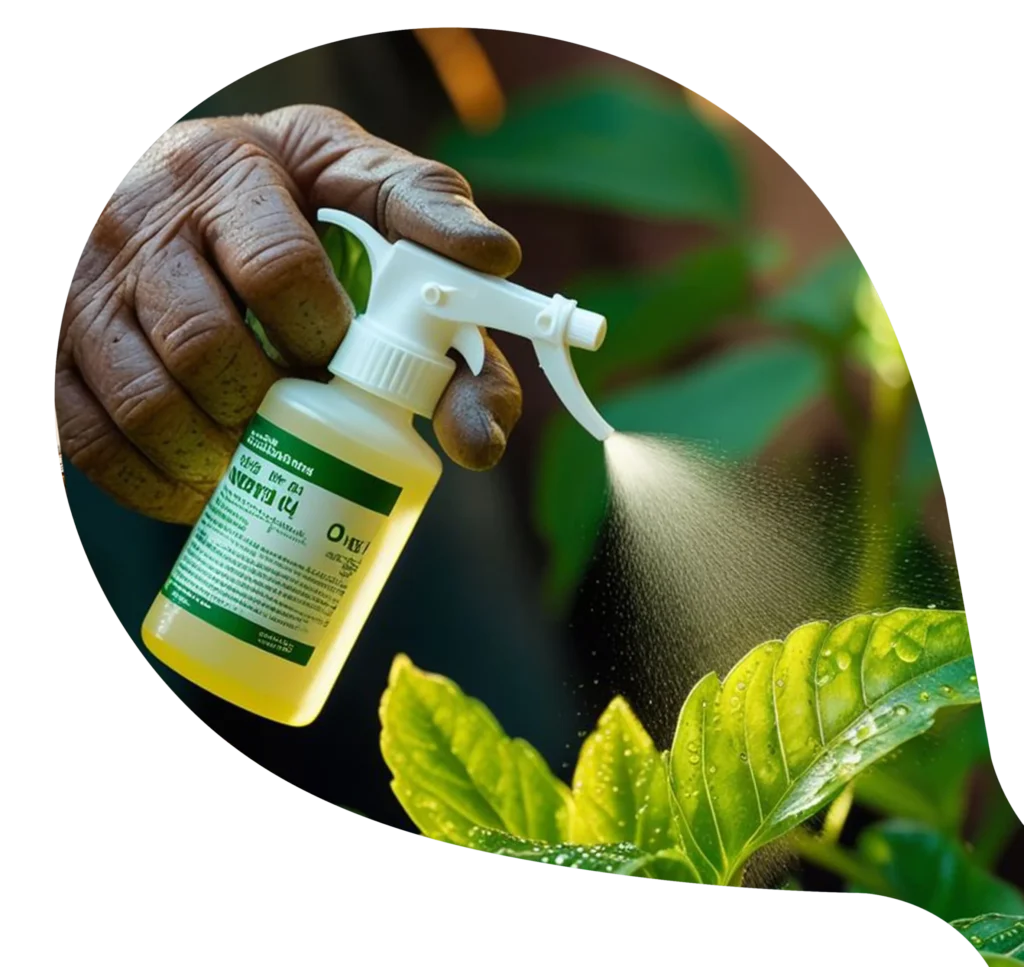
Solodrop® can be applied to crops where target pests occur, including pests located on leaf undersides, within dense crop canopies, flower clusters, growing points, and other protected feeding sites. This supports direct-contact control of susceptible agricultural pests as part of integrated pest-management programs
Advantages of Resylica® Technology
Advanced Physical Mode of Action
Acts through an innovative physical mechanism that rapidly disrupts respiration following direct contact with insects and mites.
Rapid Spiracle Penetration
The formulation quickly enters the spiracles, floods the respiratory system, disrupts oxygen exchange, and leads to rapid immobilization and death.
Superior Leaf Coverage
Forms a thin, continuous film over leaf surfaces instead of isolated droplets, providing more uniform spray coverage.
Excellent Underside Coverage
Its superior surface properties characteristics improve coverage on the undersides of leaves where aphids, whiteflies, thrips, mites, and leafhoppers commonly feed and reproduce.
Enhanced Canopy Penetration
Improves distribution throughout dense crop canopies, helping the formulation reach insects concealed within foliage and growing points.
Effective Against Multiple Pest Groups
Suitable for controlling both chewing pests and sucking pests, including aphids, thrips, spider mites, whiteflies, leafhoppers, caterpillars, beetles, and other economically important crop pests.
Improved Spray Performance
The advanced formulation technology enhances droplet spreading and contact efficiency, maximizing treatment performance throughout the crop.
Formulation Preparation
To prepare a 0.35% concentration tank mix:
Add 3.5 mL of the formulation to 1 litre of water.
Add 1.75 litres of the formulation to 500 litre of water.
Mix thoroughly before application.For more concentration details Contact
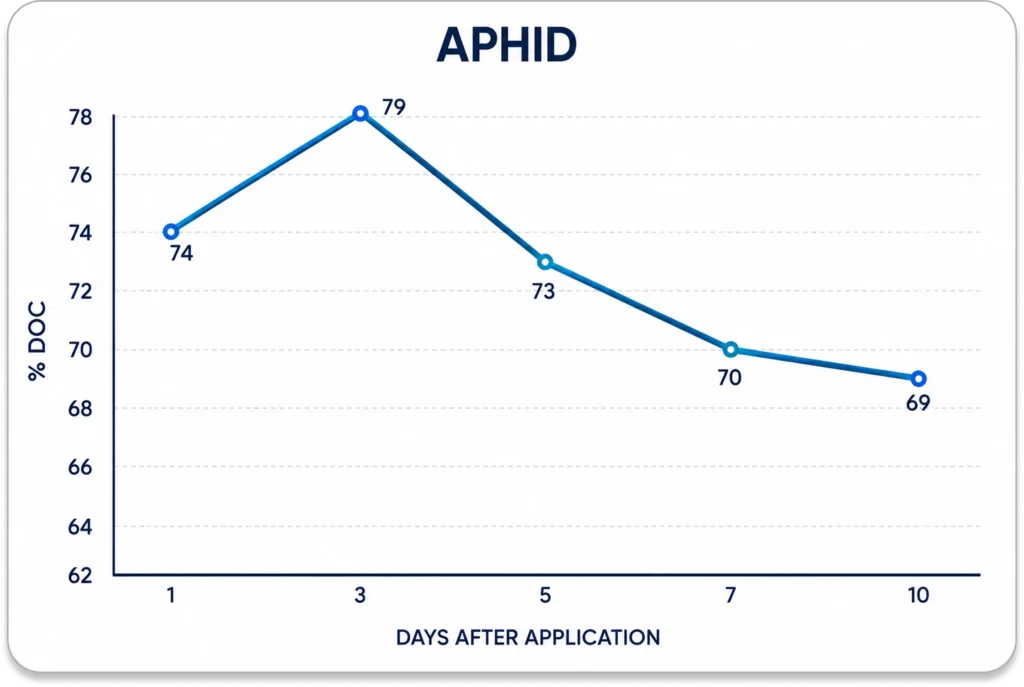
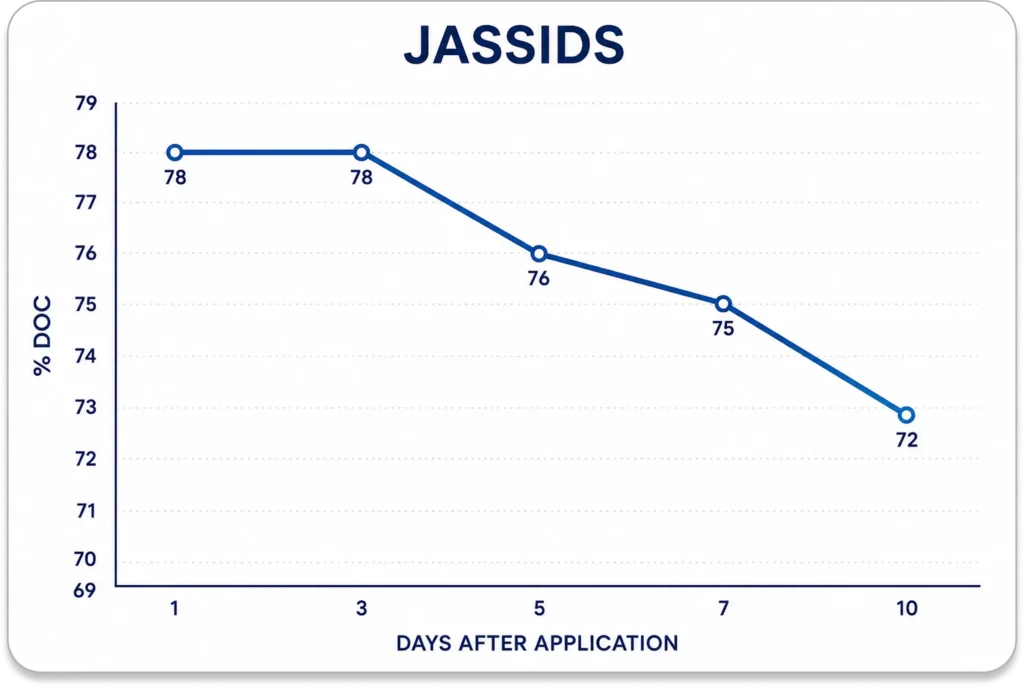
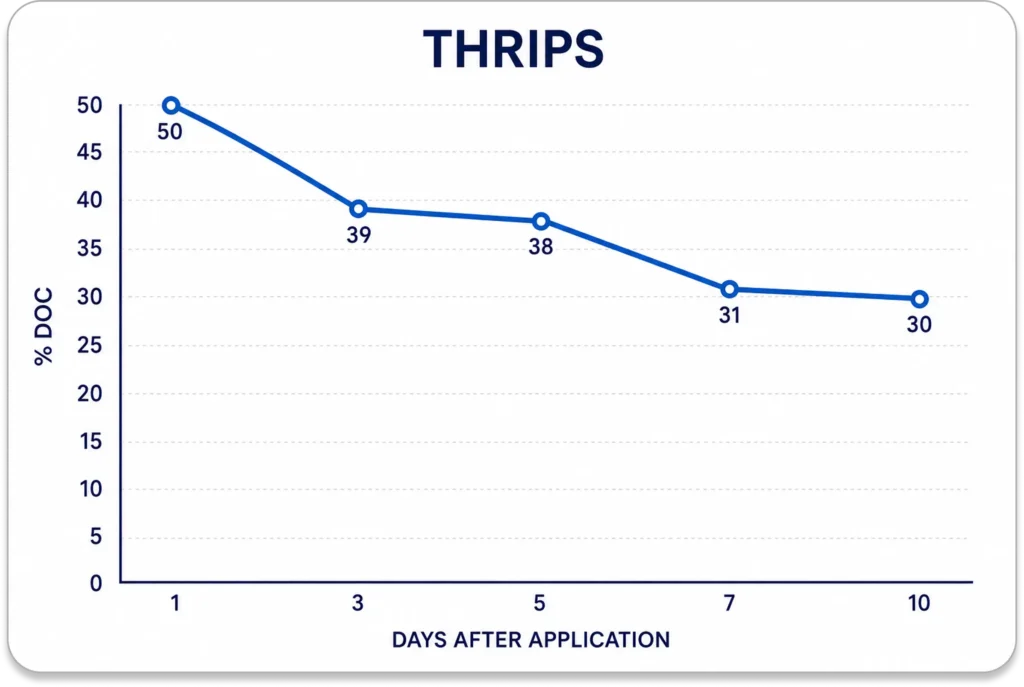
Performance
Ready to License Resylica® Technology?
Let's discuss how it fits into your product portfolio.
Please complete the form below to access and download the Resylica Technical Dossier. The dossier provides detailed information on the technology, mode of action, performance, applications, safety profile, and environmental characteristics.
Fields marked with an asterisk () are required.* Your information will be handled confidentially and in accordance with our Privacy Policy.