
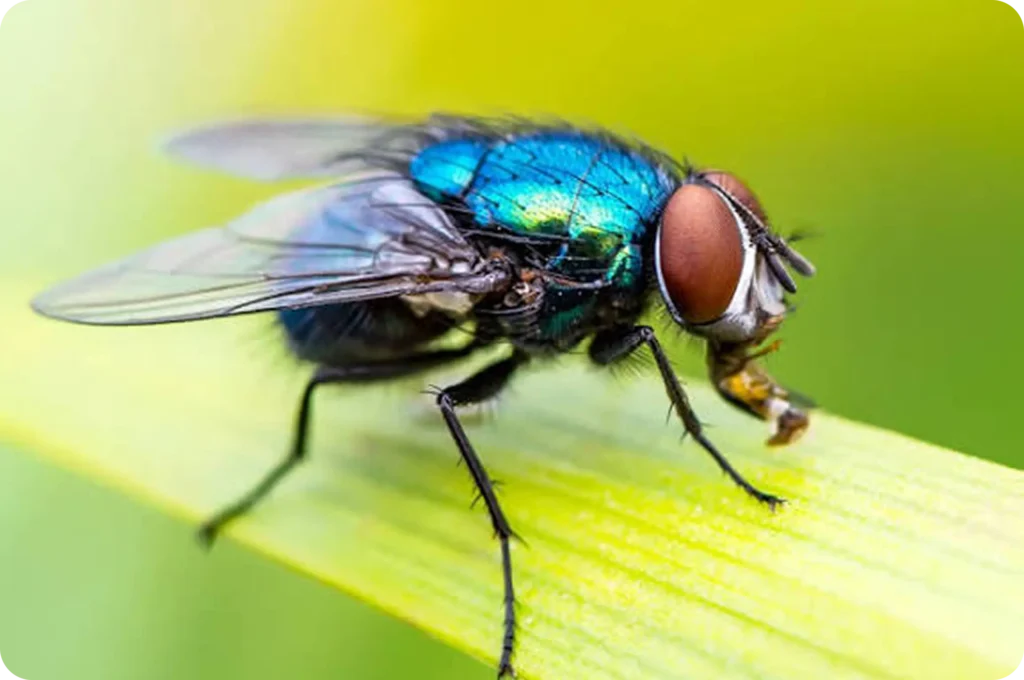
Address critical housefly risks food contamination, pathogen transmission, rapid breeding, hygiene failures, customer complaints, and recurring infestations with Resylica® Technology for fast, reliable, and long-lasting control.
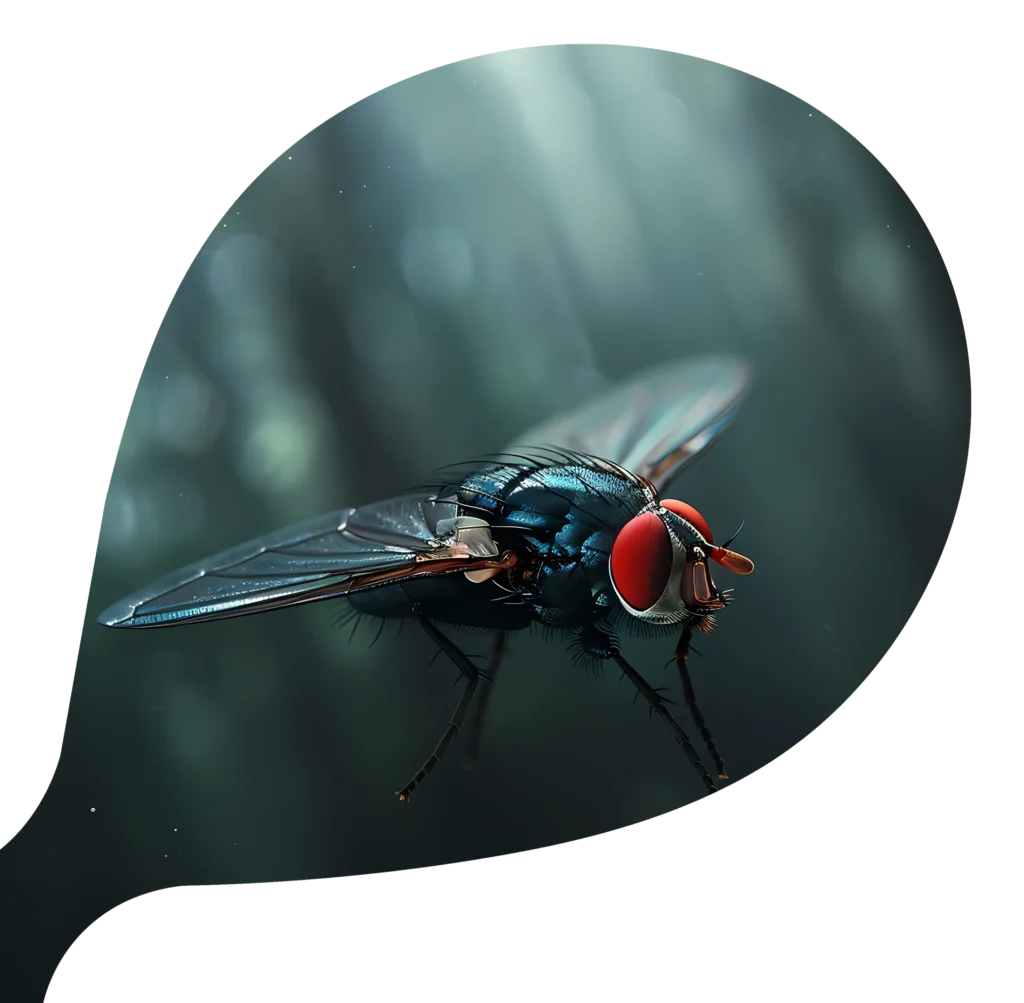
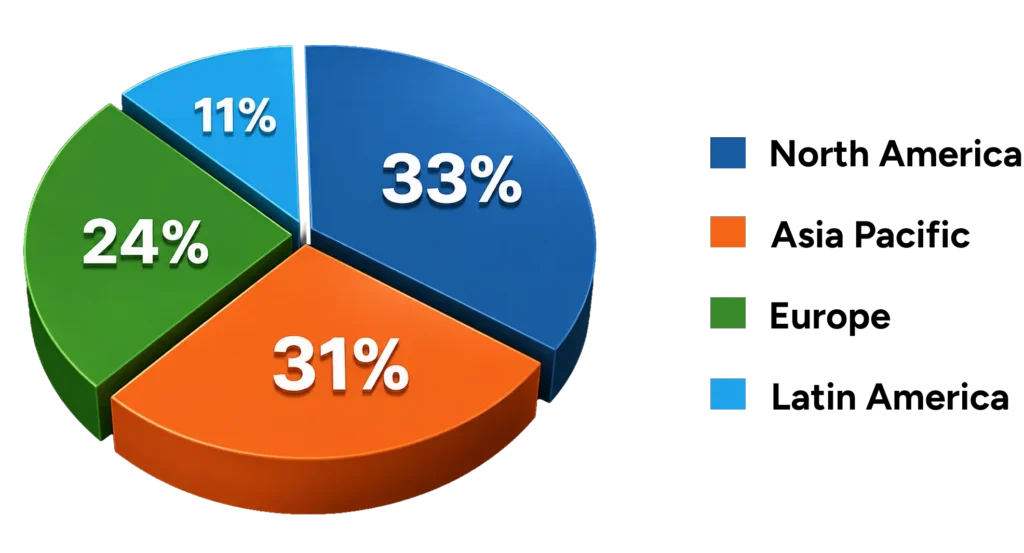
The Housefly Control Market, worth 9.26 billion in 2025, is projected to grow at a CAGR of 13.35% from 2026 to 2033, ultimately reaching 19.64 billion by 2033 as demand accelerates across industrial, commercial, and technology-driven applications.
Houseflies are far more than a nuisance they pose significant health and hygiene risks.
As they move between waste materials, animal excreta, drains, and food preparation areas, houseflies can mechanically transfer bacteria, viruses, fungi, and other pathogens on their legs, mouthparts, and body hairs. This contamination can affect food, food-contact surfaces, utensils, and packaging, increasing the risk of foodborne illnesses.
Large fly populations also create nuisance through persistent flying activity, buzzing, and contamination with regurgitation spots and faecal deposits. In restaurants, hotels, hospitals, food-processing facilities, dairy farms, poultry units, and warehouses, housefly infestations can negatively impact hygiene standards, regulatory compliance, customer confidence, and business reputation.
Conventional insecticide sprays often provide only temporary control by targeting flying adults that are directly exposed during treatment. However, many flies rest on ceilings, wall voids, behind equipment, storage areas, or enter continuously from breeding sites, making long-term management challenging.
In addition, repeated use of conventional insecticides has contributed to varying levels of resistance in many housefly populations, reducing treatment effectiveness over time.
This is where Resylica® Technology offers an advanced solution.
Resylica® Technology controls houseflies through a novel physical mode of action designed to act on the insect’s respiratory system. When a droplet of Solodrop® lands on a housefly, the formulation interacts with the insect’s exoskeleton and glides across its external surface and wings toward the spiracles, the microscopic respiratory openings located on the thorax and abdomen.
Upon reaching the spiracles, the formulation enters the respiratory system and disrupts normal respiratory function. As the tracheal system becomes affected, normal airflow and oxygen exchange are disrupted, resulting in respiratory distress, loss of flight and mobility, and ultimately mortality.
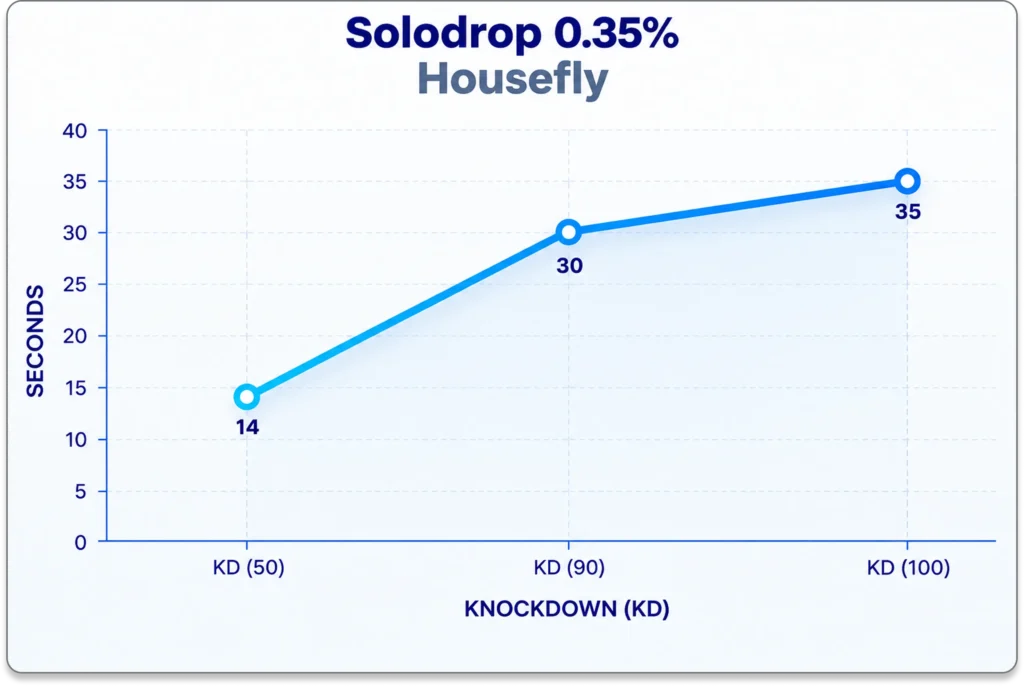
This differentiated physical mode of action provides rapid action following direct contact with susceptible houseflies. Unlike conventional insecticides that primarily rely on specific biochemical target sites, Resylica® Technology offers an alternative approach to housefly control through a physical mechanism.
The rapid physical action of Solodrop® provides effective control through direct contact, supporting rapid knockdown and mortality of susceptible houseflies. This contact-based mechanism provides a differentiated approach to managing housefly populations in appropriate treated environments.
Resylica® Technology works through a physical mechanism that rapidly disrupts respiration following direct contact with the housefly.
The formulation quickly enters the spiracles and floods the respiratory system, disrupting breathing and leading to rapid immobilization and death.
The rapid physical action results in quick immobilization, reducing the ability of flies to continue flying, feeding, or contaminating surrounding surfaces.
Enhanced surface properties increases the probability of effective contact with houseflies resting on walls, ceilings, windows, equipment, and other treated surfaces.
Ideal for use in residential homes, restaurants, hotels, hospitals, food-processing facilities, warehouses, poultry farms, livestock units, commercial buildings, and other environments where housefly control is essential.
Introduction
Please complete the form below to access and download the Resylica Technical Dossier. The dossier provides detailed information on the technology, mode of action, performance, applications, safety profile, and environmental characteristics.
Fields marked with an asterisk () are required.*
Your information will be handled confidentially and in accordance with our Privacy Policy.